LOGISTICS
System Integration
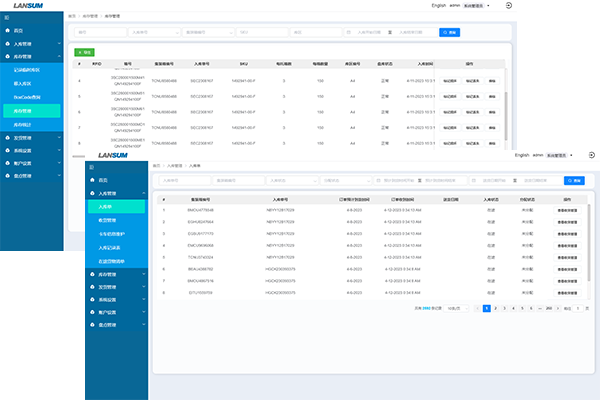
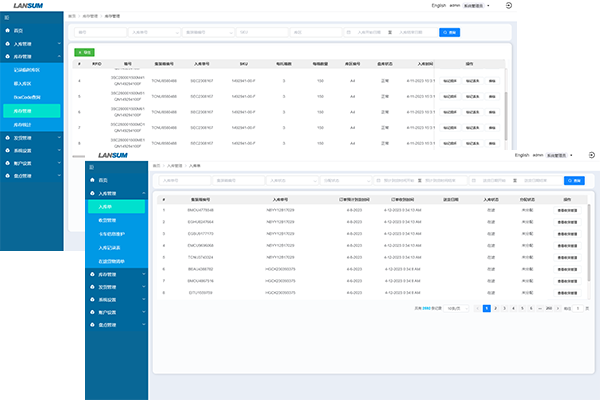
The establishment of a warehouse management system enables the scanning of incoming goods, swiftly capturing production dates, part models, serial numbers, and more. These details are automatically matched during the outbound process, enabling precise traceability of goods and parts from warehousing to delivery.
- Inventory Management: Comprehensive monitoring and management of various materials stored in the warehouse are possible. The system records information such as production dates, part models, and serial numbers for each product, facilitating quick retrieval and management. Additionally, setting a minimum inventory alert ensures sufficient stock levels, and adjustments, categorization, and organization of inventory can be performed at any time.
- Inbound/Outbound Management: Management of materials entering and leaving the warehouse is facilitated, recording, reviewing, and querying all inbound and outbound operations. During the inbound process, staff can quickly enter material information into the system through barcode scanning or RFID tags. During the outbound process, the system automatically matches inventory to prevent errors, while strict authorization controls and auditing can be applied to outbound operations.
- Inventory Auditing: The system allows for the inspection and verification of actual inventory in the warehouse, implementing inventory auditing plans, execution, and recording. The system provides inventory audit lists and analyzes and handles discrepancies between actual and recorded inventory.
Through the warehouse management system, comprehensive management and monitoring of inventory and material flow can be achieved, enhancing efficiency, reducing human errors, and enabling precise traceability of goods and parts from warehousing to delivery. Ultimately, this improves the level of management and operational efficiency for the enterprise.
Warehousing Services
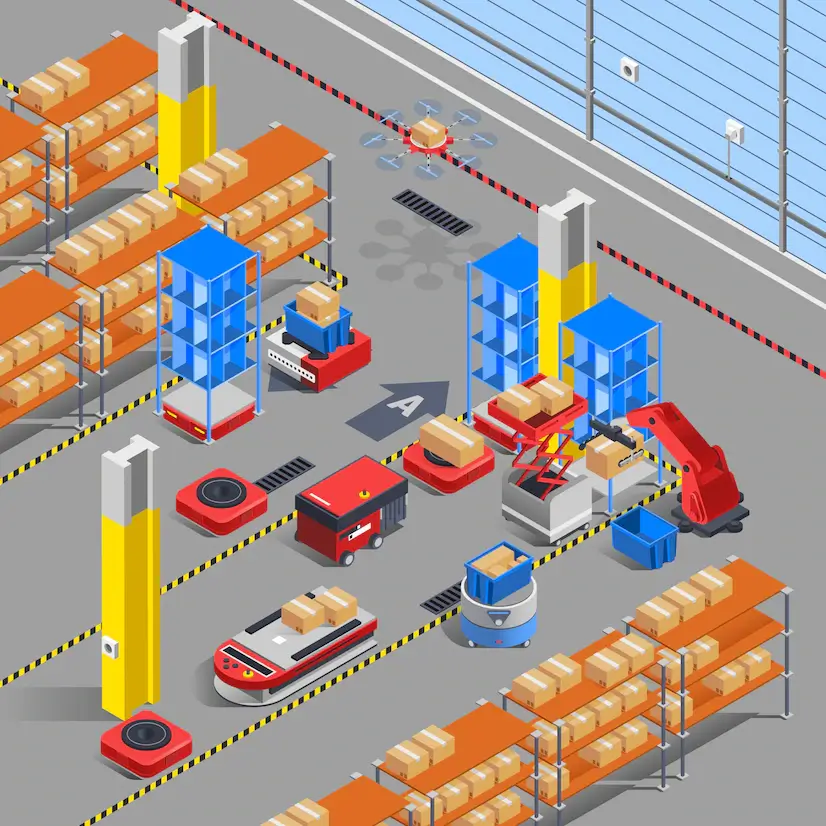
- Precise Warehousing Services: Inventory management of every component under each product (SKU). Inventory can be tracked on a daily basis or by individual components to ensure accuracy of customer stock and the safety of goods.
- Transportation Services: Transporting goods according to customer requirements, ensuring the safety and timeliness of shipments.
- Inbound and Outbound Services: Providing services for customer goods inbound and outbound, ensuring the safety and timeliness of shipments.
- Real-time Inventory Tracking: Monitoring inventory status of goods in real-time through the warehouse management system, providing customers with up-to-date information on stock quantity, location, etc., enabling timely stock allocation for customers.
Truck Logistics
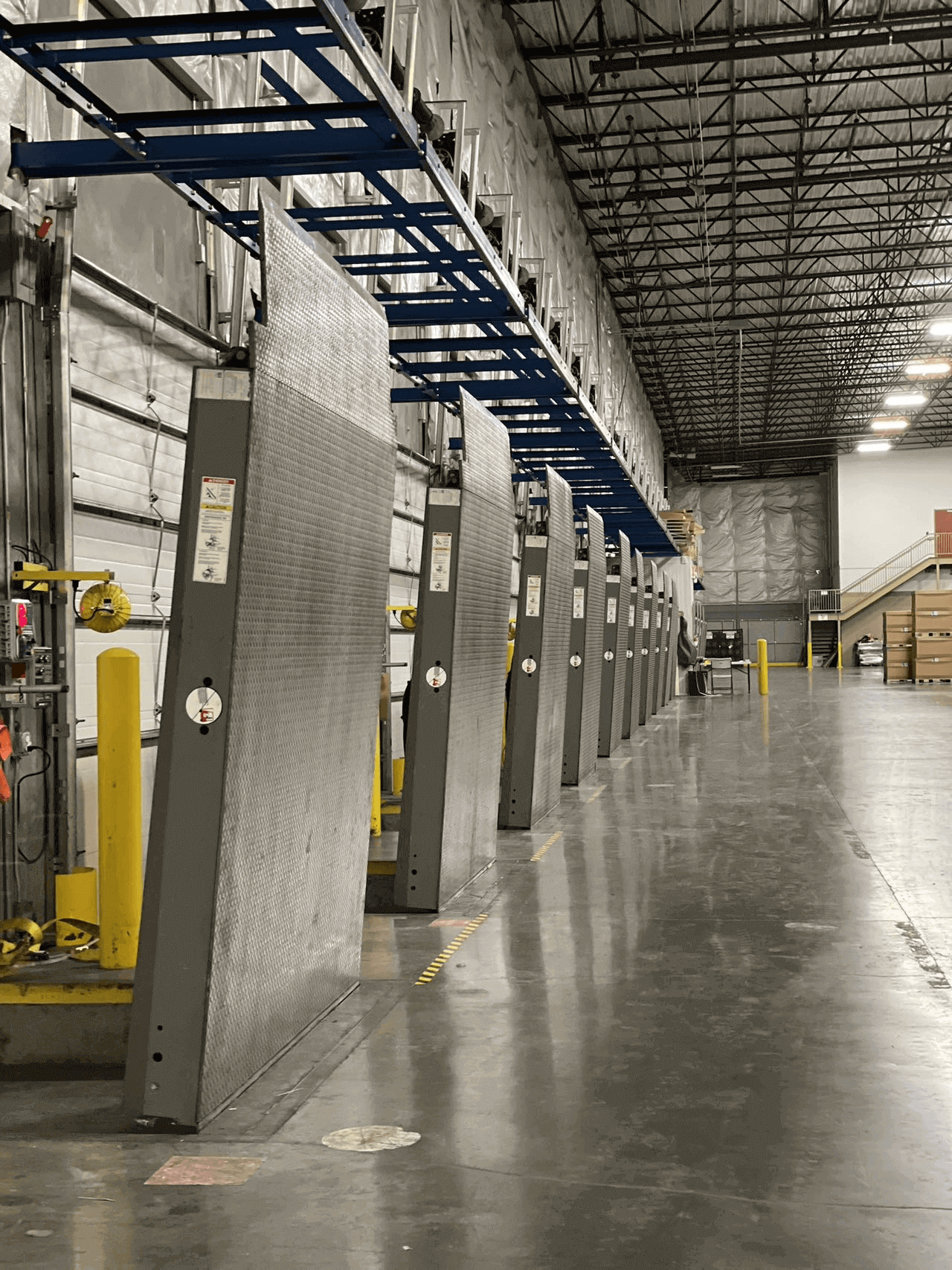
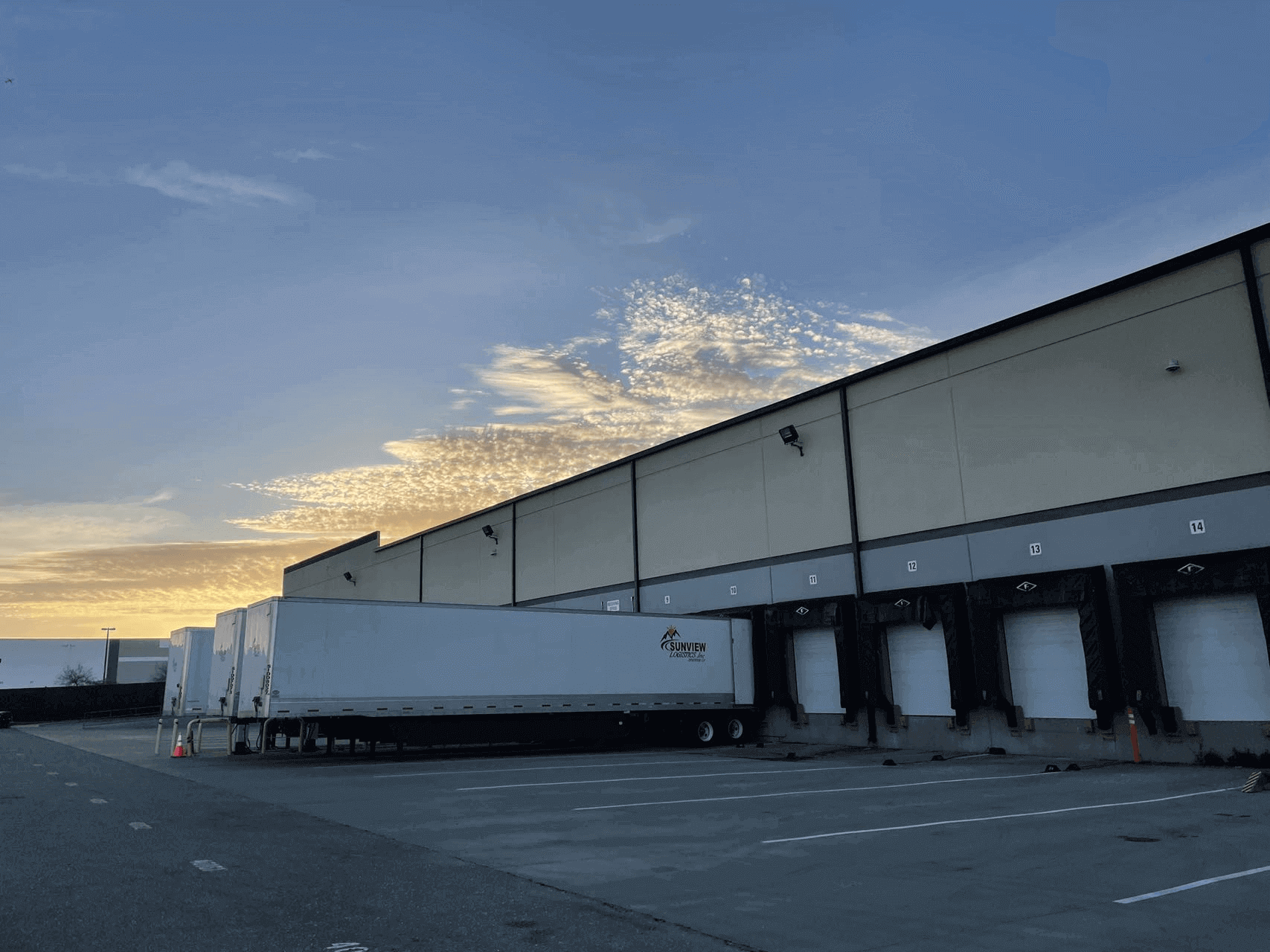
- Port Container Pickup Service: Retrieving customer goods from ports or container yards and securely storing them on trucks.
- Long and Short Haul Transportation Service: Transporting goods from ports or container yards to designated warehouses for customers in Nevada and Northern California.
- Loading and Unloading Services: Ensuring safe and efficient movement of goods.
- Shipment Tracking Service: Providing customers with timely updates on the transportation status of their goods.
Component Manufacturing
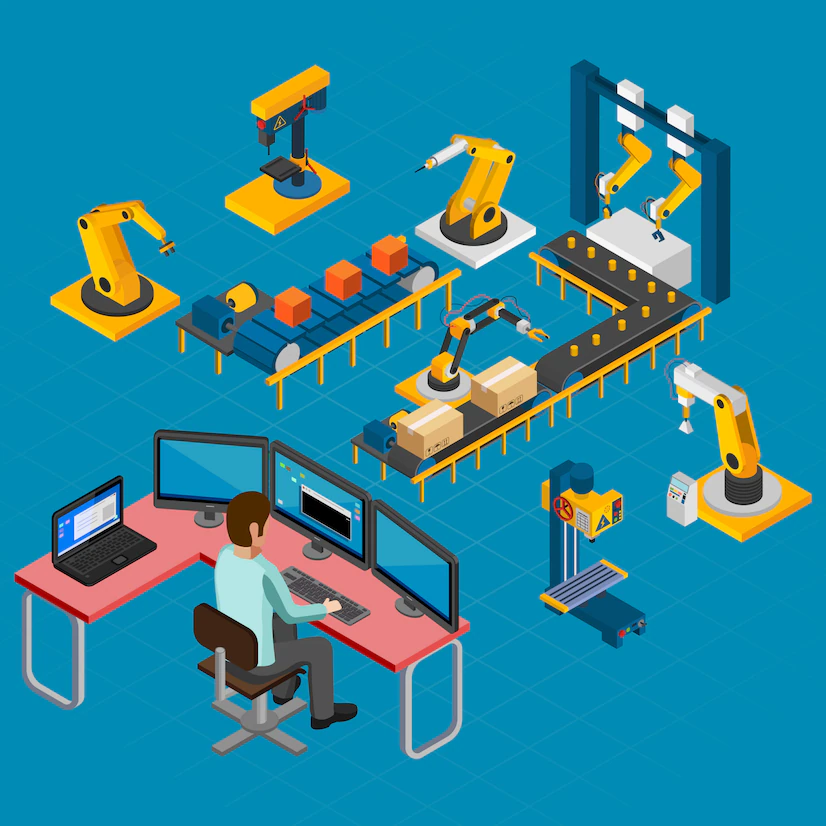
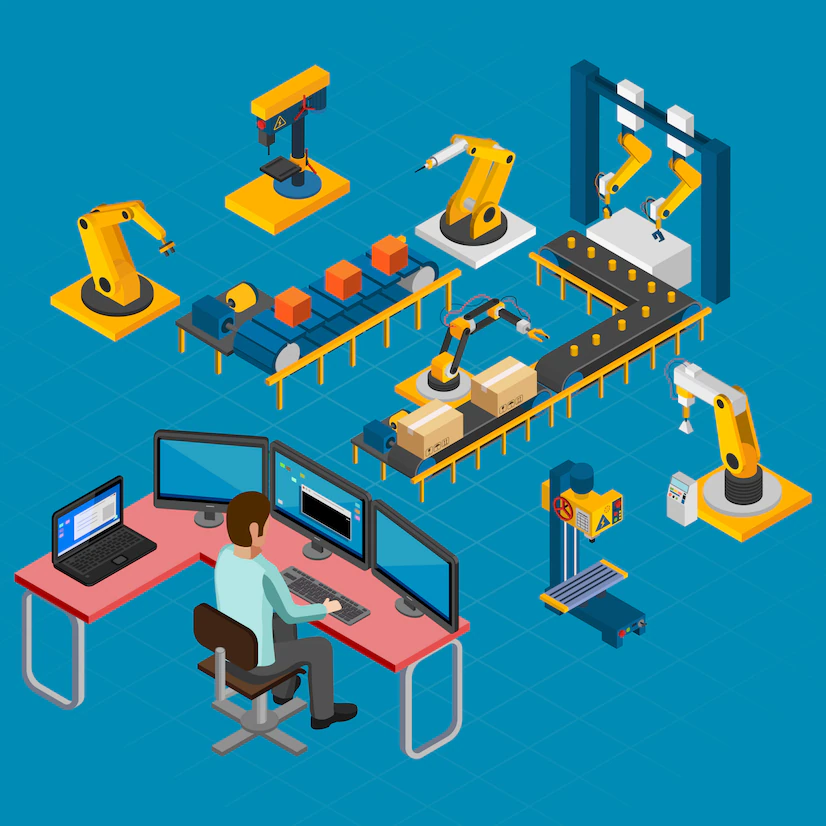
- Construction of Automated Production Lines: Establishing a fully automated production line to shift the manufacturing of products from complete importation to domestic production in the United States.
- High-Quality Component Production: Providing customers with high-quality, localized component manufacturing services, producing parts that meet quality standards according to customer requirements.
- Customer Demand Fulfillment: Offering personalized manufacturing services tailored to customer needs, including part processing, assembly, and other related services to meet various customer demands for components.
- Quality Control: Implementing quality control measures throughout the production process to ensure that the manufactured components meet quality standards and customer requirements.
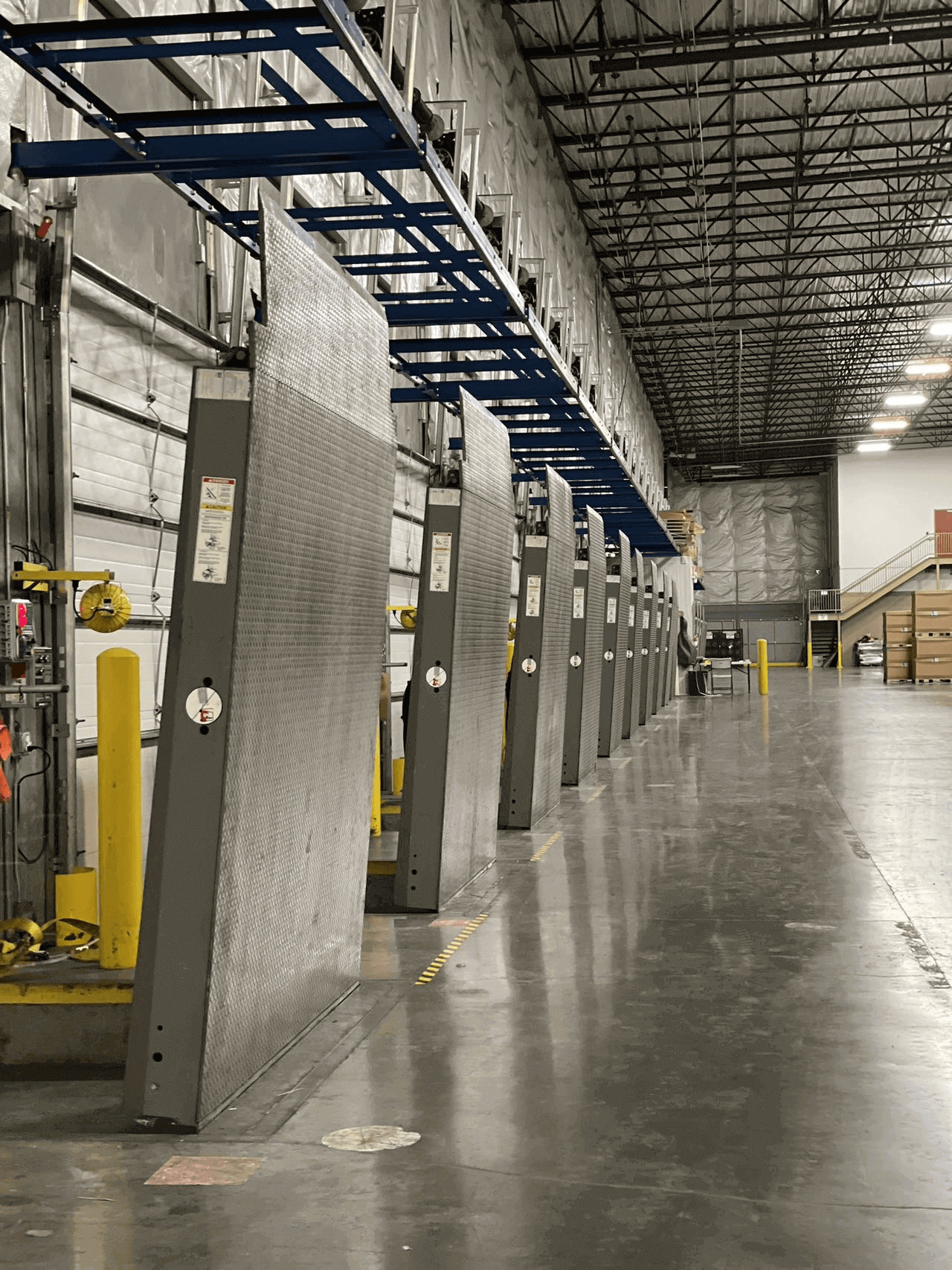
The establishment of a warehouse management system enables the scanning of incoming goods, swiftly capturing production dates, part models, serial numbers, and more. These details are automatically matched during the outbound process, enabling precise traceability of goods and parts from warehousing to delivery.
- Inventory Management: Comprehensive monitoring and management of various materials stored in the warehouse are possible. The system records information such as production dates, part models, and serial numbers for each product, facilitating quick retrieval and management. Additionally, setting a minimum inventory alert ensures sufficient stock levels, and adjustments, categorization, and organization of inventory can be performed at any time.
- Inbound/Outbound Management: Management of materials entering and leaving the warehouse is facilitated, recording, reviewing, and querying all inbound and outbound operations. During the inbound process, staff can quickly enter material information into the system through barcode scanning or RFID tags. During the outbound process, the system automatically matches inventory to prevent errors, while strict authorization controls and auditing can be applied to outbound operations.
- Inventory Auditing: The system allows for the inspection and verification of actual inventory in the warehouse, implementing inventory auditing plans, execution, and recording. The system provides inventory audit lists and analyzes and handles discrepancies between actual and recorded inventory.
Through the warehouse management system, comprehensive management and monitoring of inventory and material flow can be achieved, enhancing efficiency, reducing human errors, and enabling precise traceability of goods and parts from warehousing to delivery. Ultimately, this improves the level of management and operational efficiency for the enterprise.
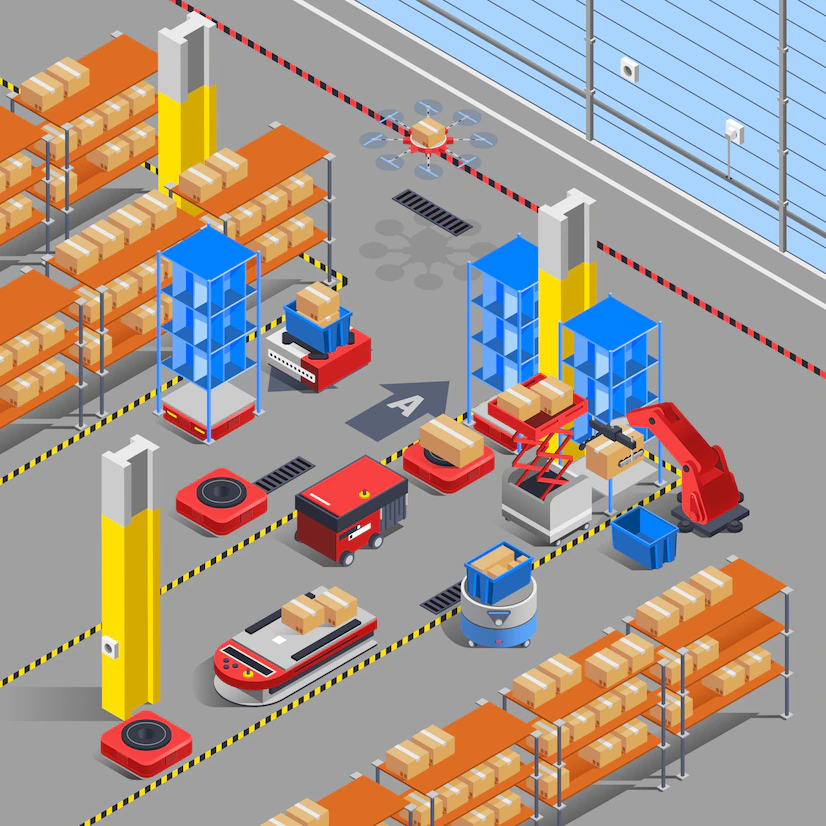
- Precise Warehousing Services: Inventory management of every component under each product (SKU). Inventory can be tracked on a daily basis or by individual components to ensure accuracy of customer stock and the safety of goods.
- Transportation Services: Transporting goods according to customer requirements, ensuring the safety and timeliness of shipments.
- Inbound and Outbound Services: Providing services for customer goods inbound and outbound, ensuring the safety and timeliness of shipments.
- Real-time Inventory Tracking: Monitoring inventory status of goods in real-time through the warehouse management system, providing customers with up-to-date information on stock quantity, location, etc., enabling timely stock allocation for customers.
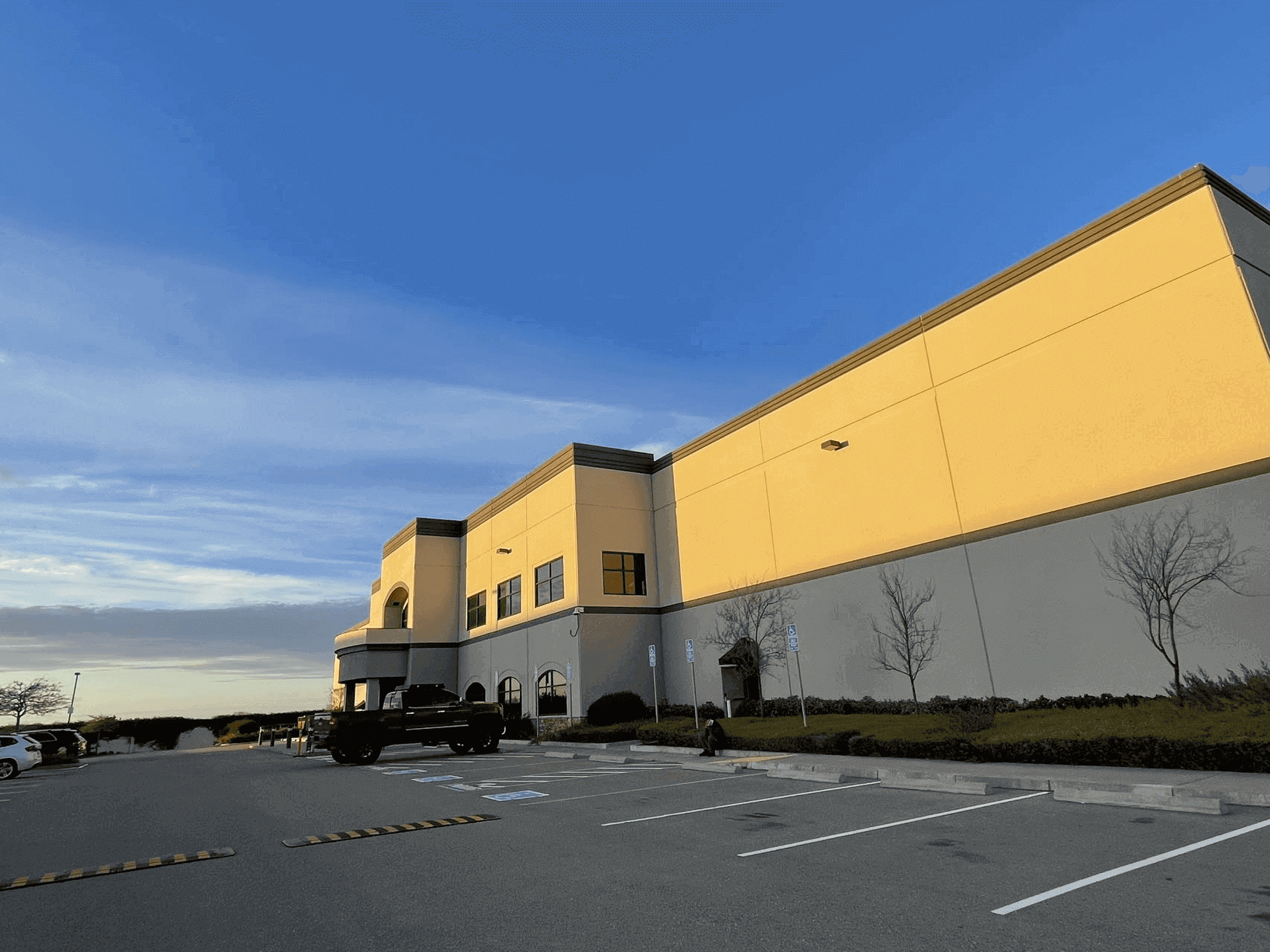
- Port Container Pickup Service: Retrieving customer goods from ports or container yards and securely storing them on trucks.
- Long and Short Haul Transportation Service: Transporting goods from ports or container yards to designated warehouses for customers in Nevada and Northern California.
- Loading and Unloading Services: Ensuring safe and efficient movement of goods.
- Shipment Tracking Service: Providing customers with timely updates on the transportation status of their goods.
- Construction of Automated Production Lines: Establishing a fully automated production line to shift the manufacturing of products from complete importation to domestic production in the United States.
- High-Quality Component Production: Providing customers with high-quality, localized component manufacturing services, producing parts that meet quality standards according to customer requirements.
- Customer Demand Fulfillment: Offering personalized manufacturing services tailored to customer needs, including part processing, assembly, and other related services to meet various customer demands for components.
- Quality Control: Implementing quality control measures throughout the production process to ensure that the manufactured components meet quality standards and customer requirements.